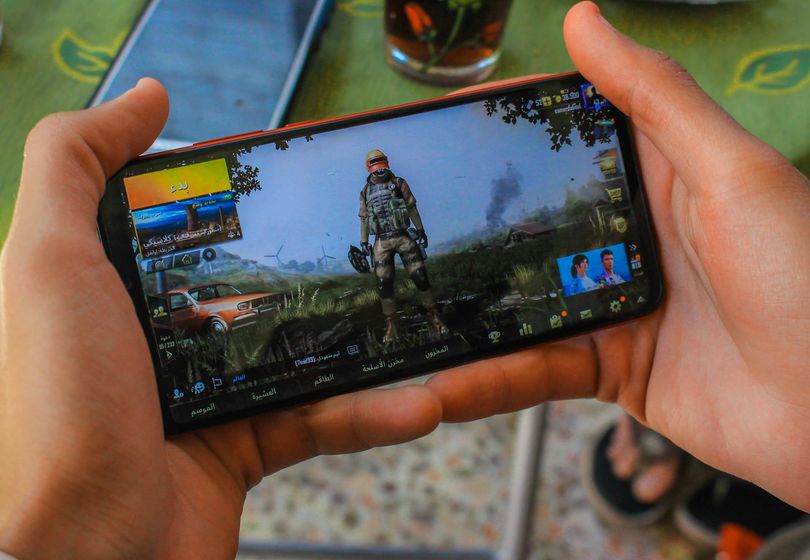
Survival games have seen a resurgence in popularity among gamers in recent years, with more and more players getting drawn into the immersive worlds these games offer. From multiplayer survival experiences to solo adventures in open-world settings, survival games have captured the attention of a wide audience. But what exactly is it about these games that make them so appealing once again?
One of the key factors behind the popularity of survival games is the emphasis on player agency and freedom. Unlike traditional linear game experiences, survival games often provide players with vast open worlds to explore and interact with. This sense of freedom allows gamers to carve out their own paths, making each playthrough unique and unpredictable.
Another reason behind the resurgence of survival games is the inclusion of crafting mechanics. The ability to gather resources and craft tools, weapons, and shelter adds a layer of depth and strategy to gameplay. Players must constantly balance their need for survival with the limited resources available, leading to challenging and rewarding experiences.
Survival games also tap into the appeal of survival horror, with many titles incorporating elements of tension, danger, and fear. Whether it's facing off against hostile creatures or navigating treacherous environments, survival games keep players on their toes and make every decision feel impactful.
In addition to the intense survival elements, many survival games offer sandbox features that allow players to shape the world around them. Whether it's building elaborate structures, terraforming the landscape, or creating custom challenges, sandbox survival games provide endless opportunities for creativity and expression.
Multiplayer survival experiences have also contributed to the renewed interest in survival games. Co-op gaming has become increasingly popular, with players teaming up to survive together in harsh and unforgiving worlds. The social aspect of multiplayer survival games adds a new dimension to gameplay, encouraging cooperation, teamwork, and shared triumphs.
Furthermore, survival games often require players to employ strategic thinking and planning to succeed. From managing resources to outsmarting enemies, players must use their wits to survive in hostile environments. This strategic depth adds a layer of complexity to gameplay that keeps players engaged and invested in the experience.
While survival games have found success across various platforms, PC survival games in particular have thrived due to their immersive gameplay and detailed mechanics. The power of PC hardware allows for stunning graphics, expansive worlds, and intricate systems that elevate the survival game experience to new heights.
In conclusion, the resurgence of survival games can be attributed to a combination of factors, including player agency, crafting mechanics, survival horror elements, sandbox features, co-op gaming, strategic gameplay, and immersive experiences on PC. As more and more gamers seek out challenging and rewarding gameplay experiences, survival games have once again risen to the forefront as a popular and beloved genre.