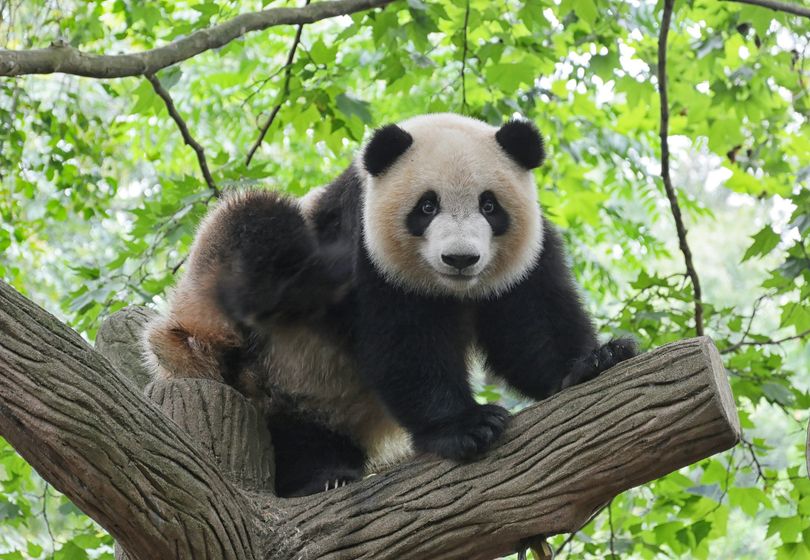
The panda bear, commonly referred to as the giant panda, has long been identified as a symbol of wildlife protection around the world. These charismatic bears, native to the bamboo forests of China, have captured the hearts of millions with their adorable appearance and gentle demeanor. But beyond their cute exterior lies a vital message about the conservation of endangered animals and the importance of preserving their natural habitats.
One of the main reasons why pandas have become such iconic figures in the realm of animal symbolism is their status as a rare species. With only around 1,800 giant pandas left in the wild, these animals are classified as endangered by the International Union for Conservation of Nature (IUCN). The declining population of pandas is largely attributed to habitat loss, as their primary source of food and shelter, the bamboo forest, is rapidly disappearing due to deforestation and human encroachment.
Panda conservation efforts have been implemented to protect these beloved creatures and ensure their survival for future generations. Various organizations and governments have taken steps to establish protected areas and reserves that serve as safe havens for pandas to thrive in their natural habitat. By safeguarding the panda habitat, we are not only preserving a species but also maintaining the delicate balance of our ecosystems.
The panda's significance goes beyond being a flagship species for wildlife protection; it serves as a symbol of nature preservation as a whole. The plight of the giant panda reflects the broader challenges faced by endangered animals worldwide and underscores the urgent need for collective action to conserve biodiversity and combat the threats of extinction.
As we marvel at the beauty of these gentle giants, let us also reflect on the responsibility we share in safeguarding our planet's rich biodiversity. By supporting panda conservation initiatives and advocating for the protection of endangered species, we can contribute to the larger cause of environmental sustainability and promote a harmonious coexistence between humans and wildlife.