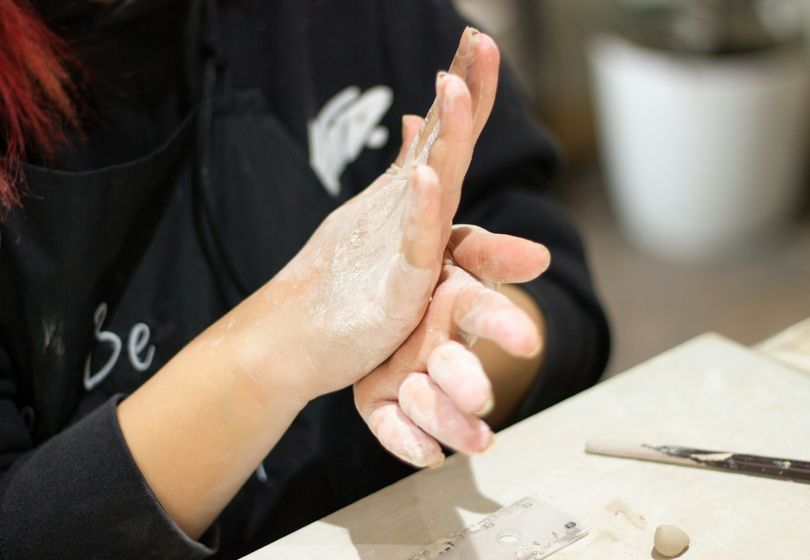
Handmade products have a certain charm and uniqueness that mass-market goods simply cannot replicate. Whether you are shopping for jewelry, clothing, home decor, or any other handmade item, it is important to be able to distinguish real handmade products from their mass-produced counterparts. This buyer’s guide will help you navigate the world of handmade goods and make informed purchasing decisions.
When it comes to handmade vs mass-produced items, there are several key differences to look out for. One of the most obvious signs of a handmade product is the imperfections that come with the human touch. Unlike items that are churned out by machines in large quantities, handmade goods may have slight variations in color, texture, or shape. These imperfections are part of the charm of handmade items and add to their authenticity.
So, how can you identify handmade items and ensure that you are purchasing authentic products? One of the best ways to tell if a product is handmade is to look for the maker’s mark or signature. Many artisans sign their work as a way of identifying it as their own. This personal touch adds value to the item and shows that it is a one-of-a-kind piece.
Another way to distinguish handmade products from mass-market goods is to look at the materials used. Artisans often use high-quality materials that are carefully selected for their beauty and durability. Natural fibers, such as cotton, silk, and wool, are common in handmade clothing and home decor items. Similarly, handmade jewelry is often made from precious metals and gemstones.
When it comes to the quality of handmade products, there are several signs to look out for. Handmade items are typically made with great care and attention to detail. The stitching on a handmade garment may be more intricate, the seams on a handmade bag may be reinforced, and the finish on a handmade piece of furniture may be smoother. These are all indicators of the time and skill that went into creating the item.
If you are looking to purchase authentic handmade products, it is important to do your research and ask questions. Many artisans are proud of their work and are happy to share information about their processes and materials. By getting to know the maker and their story, you can feel confident that you are buying a genuine handmade item.
When shopping for handmade goods, keep in mind that price can be a factor in determining authenticity. While handmade products may be more expensive than mass-produced items, the quality and craftsmanship are often worth the investment. By supporting artisans and small businesses, you are not only getting a unique and high-quality product, but you are also helping to preserve traditional crafts and skills.
In conclusion, being able to distinguish between real handmade products and mass-market goods is essential for any discerning buyer. By looking for the signs of handmade quality, such as imperfections, maker’s marks, high-quality materials, attention to detail, and the maker’s story, you can ensure that you are purchasing authentic handmade items. So next time you are shopping for artisan products, keep these handmade buying tips in mind to make the best choices for your home and wardrobe.