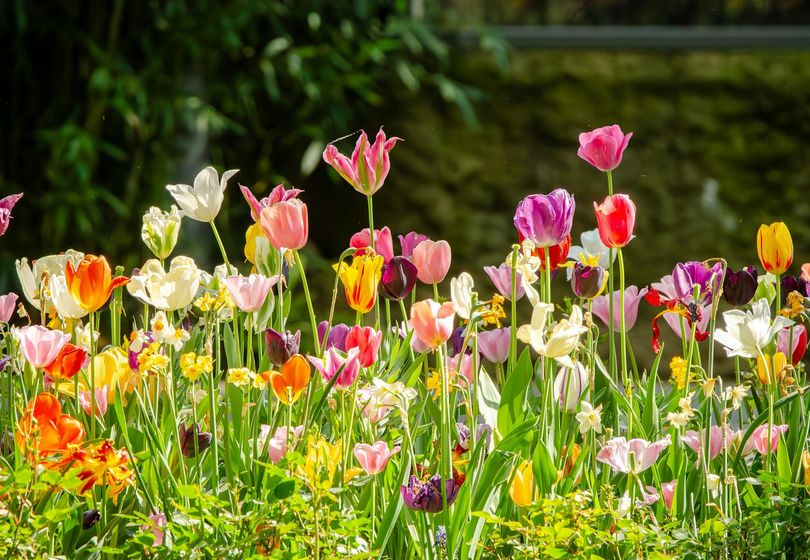
Gardens are a beautiful addition to any outdoor space, providing a place of tranquility, color, and life. While many gardens have their peak blooming season during spring or summer, creating a year-round blooming garden is not only possible but can be a rewarding experience for any avid gardener. With proper planning and plant selection, you can enjoy a landscape bursting with color and blooms throughout every season. Here are some tips for choosing the right plants to create a year-round blooming garden.
1. Garden Planning Tips
Before you start selecting plants for your year-round blooming garden, it's essential to have a well-thought-out garden plan. Consider the layout of your garden, including the amount of sunlight different areas receive, the soil quality, and the overall aesthetic you want to achieve. Mapping out your garden space can help you determine where to place plants that bloom at different times of the year, creating a harmonious flow of colors and textures.
2. Plants for Continuous Bloom
When selecting plants for a year-round blooming garden, opt for a mix of perennial and annual plants that bloom at different times of the year. Perennial plants come back year after year, providing consistency in your garden, while annual plants offer a burst of color and can fill in any gaps between perennial bloom cycles. Choose a variety of flowering plants that bloom in different seasons to ensure continuous color in your garden.
3. Seasonal Garden Design
Divide your garden into sections based on the seasons to create a cohesive and well-rounded design. Plant spring-blooming bulbs like daffodils and tulips for early color, followed by summer-flowering plants such as roses and hydrangeas. For fall interest, consider adding asters or chrysanthemums, and incorporate winter-blooming plants like hellebores or winter jasmine to keep your garden vibrant even in the coldest months.
4. Flowering Plants All Year
To achieve blooms in every season, choose flowering plants that are known for their long blooming period or that bloom multiple times a year. Roses, for example, can bloom from spring through fall, while certain varieties of daylilies can produce multiple bloom cycles. Look for plants that are labeled as having extended bloom times or that are repeat bloomers to ensure a constant display of flowers in your garden.
5. Perennial and Annual Plants
Integrating both perennial and annual plants into your garden can help create a year-round blooming effect. Perennials like coneflowers, lavender, and salvias provide structure and continuity, while annuals such as petunias, marigolds, and zinnias offer seasonal pops of color. Mixing these plant types allows you to enjoy blooms throughout the year while also providing flexibility for changing your garden design seasonally.
6. Garden Color All Seasons
Consider the color palette of your garden when selecting plants to ensure a cohesive and visually appealing landscape throughout the year. Choose plants with a variety of bloom colors that complement each other and add interest to different areas of your garden. Incorporate foliage plants with variegated leaves or colorful foliage to provide year-round color, even when flowers are not in bloom.
7. Plant Selection Guide
Consult plant selection guides or visit local nurseries to identify plants that are well-suited for your region and climate. Take note of each plant's blooming season, size, and sunlight requirements to determine the best placement in your garden. Consider factors such as maintenance needs and water requirements to create a low-maintenance garden that thrives throughout the year.
8. Bloom Succession Planting
To ensure a continuous display of blooms in your garden, practice succession planting by staggering plantings of different species with overlapping bloom times. As one plant finishes blooming, another will start, creating a seamless transition of color and interest. By planning your garden layout to include plants with staggered blooming periods, you can enjoy a year-round spectacle of flowers in your outdoor space.
Creating a year-round blooming garden requires careful planning, thoughtful plant selection, and attention to detail. By incorporating a mix of perennial and annual plants, utilizing seasonal design strategies, and practicing bloom succession planting, you can enjoy a garden bursting with color and life in every season. With a little effort and creativity, you can transform your outdoor space into a vibrant oasis that delights the senses year-round.