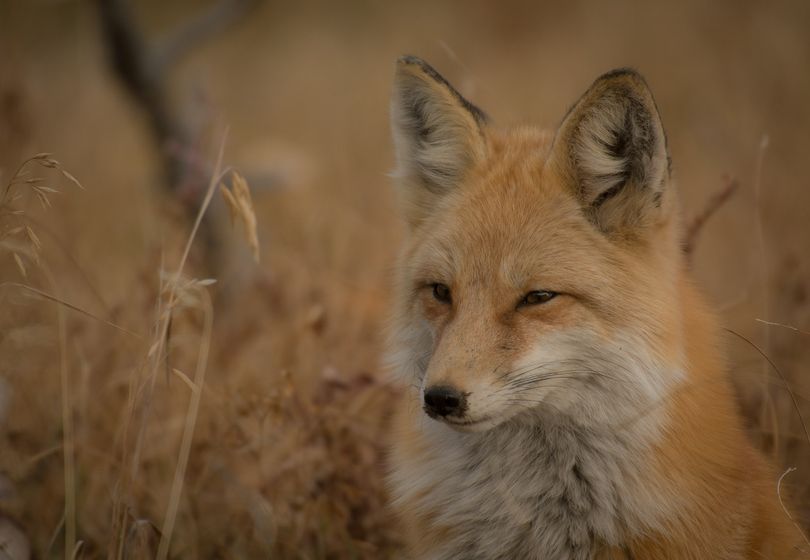
Foxes have long been known for their ability to adapt to various environments, and one of the most intriguing adaptations is their success in living near humans. Urban areas around the world are home to a growing population of city foxes, showcasing their impressive survival skills and intelligence in navigating the human environment.
The behaviour of foxes near humans is a fascinating topic for wildlife enthusiasts and researchers alike. These urban wildlife animals have learned to coexist with people by adjusting their habits and behaviours to fit the human-altered landscape. City foxes exhibit a range of behaviours that set them apart from their rural counterparts, making them well-suited for urban living.
One key factor in fox adaptation to cities is their innate ability to be opportunistic hunters and scavengers. Foxes are highly adaptable predators with a diverse diet, allowing them to thrive in a variety of environments. In urban areas, they take advantage of human resources such as leftover food, rubbish, and even pet food to supplement their diet, ensuring their survival in a challenging urban landscape.
Foxes display remarkable intelligence in navigating the human environment. Their keen sense of smell and sharp wit help them locate food sources and avoid potential dangers in urban settings. City foxes often establish complex underground dens in parks, vacant lots, or even residential areas, providing shelter and protection for their young while staying hidden from human sight.
The adaptability of foxes near humans also extends to their breeding habits and social structures. Urban fox populations have shown a higher density compared to their rural counterparts, with some cities hosting significant numbers of these adaptable animals. Foxes have adjusted their mating behaviours to urban conditions, with females giving birth to litters in dens located in secluded urban green spaces.
City foxes exhibit a range of habits that reflect their ability to thrive in urban environments. These habits include increased nocturnal activity to avoid human interactions, efficient navigation of urban landscapes through established scent trails, and utilisation of human-made structures as vantage points for hunting and observation.
Despite the challenges posed by living near humans, foxes have demonstrated their resilience and flexibility in adapting to urban environments. Their successful integration into cities highlights the remarkable ability of wildlife to coexist alongside human populations, offering a glimpse into the intricate and dynamic relationship between animals and people in urban settings.
In conclusion, the survival skills, intelligence, and adaptability of foxes make them well-suited for living near humans. Their ability to thrive in city environments not only showcases their remarkable nature but also serves as a testament to the resilient and adaptive nature of wildlife in the face of urbanisation.