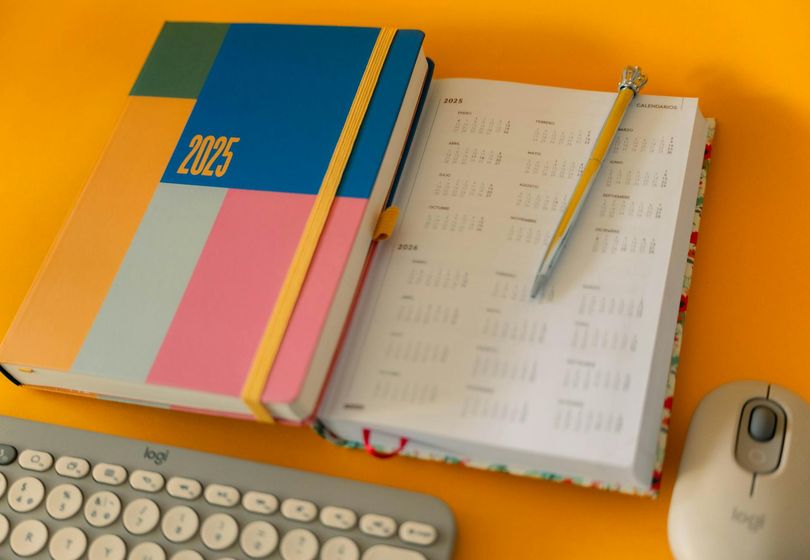
In the modern world where information overload is a common phenomenon, having a reliable planner is crucial for keeping track of both work-related tasks and personal commitments. Whether you prefer a traditional pen-and-paper approach or a digital solution, choosing the right planner can significantly impact your productivity and efficiency. In this article, we will explore how to select a planner that aligns with your needs and preferences.
Consider Your Needs
Before diving into the vast array of planners available on the market, take a moment to reflect on your specific requirements. Are you primarily looking for a planner for work, personal tasks, or a combination of both? Do you need a daily planning layout to jot down detailed to-dos, or are you more interested in a weekly organizer that provides a broader overview of your schedule?
Think about whether you require a goal setting planner to help you stay focused on your objectives or a productivity planner to enhance your time management skills. Understanding your needs is the first step towards finding a planner that suits your unique lifestyle and goals.
Choose the Right Format
Planners come in various formats, including daily, weekly, monthly, and undated options. Daily planners are ideal for individuals who prefer a comprehensive breakdown of their tasks and appointments for each day. On the other hand, weekly planners offer a broader perspective of the week ahead, allowing you to plan ahead and allocate time for different activities.
If you have a fluctuating schedule or prefer more flexibility, an undated planner might be the best choice for you. This format allows you to start using the planner at any time of the year without wasting pages. Consider your preferred level of detail and the scope of your planning when selecting the format that works best for you.
Factor in Your Work-Life Balance
When selecting a planner, it's essential to consider your work-life balance and how the planner can support it. A good planner should not only help you stay organized and productive at work but also enable you to manage personal tasks and commitments effectively.
Look for features that promote task organization and prioritization, such as designated sections for work projects, personal goals, and important deadlines. A schedule notebook that allows you to integrate both professional and personal elements can help you achieve a better work-life balance and prevent one aspect from overshadowing the other.
Evaluate Additional Features
While the primary function of a planner is to help you plan and organize your tasks, many planners offer additional features that can enhance your planning experience. Consider whether you prefer a planner with built-in habit trackers, goal-setting pages, inspirational quotes, or sections for meal planning and fitness tracking.
Some planners also come with customizable covers, extra pockets for storing notes and receipts, or elastic bands to keep the planner securely closed. Evaluate the importance of these additional features based on your preferences and how they align with your planning style and habits.
Final Thoughts
Choosing the right planner is a personal decision that depends on your individual preferences, lifestyle, and work requirements. By considering your specific needs, preferred format, work-life balance, and additional features, you can select a planner that serves as a valuable tool in helping you stay organized, productive, and balanced.
Remember that the best planner is one that aligns with your goals and motivates you to achieve them. Whether you opt for a sleek digital planner or a classic paper version, the key is to find a planner that becomes an essential companion in your daily life, guiding you towards success and well-being.