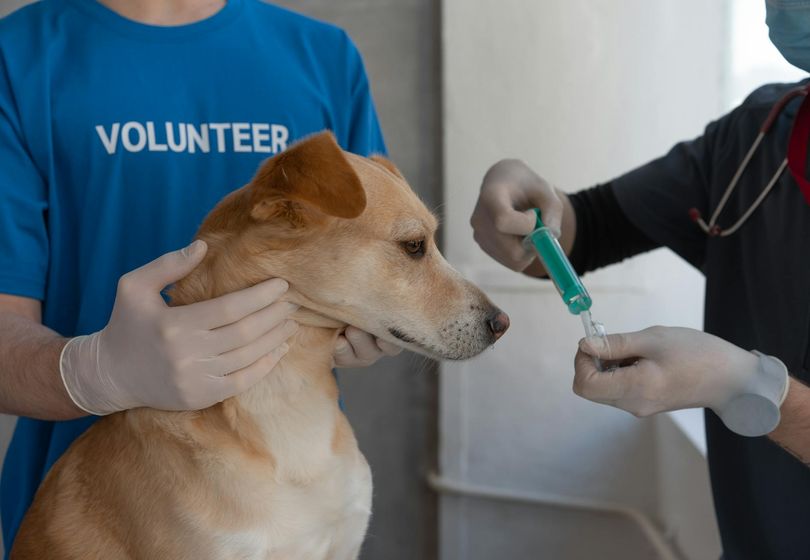
Welcoming a new puppy or kitten into your home is an exciting time filled with joy and love. However, one of the most important steps in caring for your new furry friend is their first vet visit. This initial visit is crucial for your pet's health and well-being, as it allows the veterinarian to assess their overall health, provide necessary vaccinations, and give you guidance on how to best care for your pet.
Here is what you can expect during your pet's first vet visit and how you can prepare to ensure a stress-free experience:
What to Expect During Your Pet's First Vet Visit:
1. Health Check: The veterinarian will perform a thorough physical examination of your pet to check for any signs of illness or underlying health issues. This may include checking their eyes, ears, teeth, heart, lungs, and overall body condition.
2. Vaccination: Depending on your pet's age and medical history, the veterinarian will recommend and administer the necessary vaccinations to protect your pet against common diseases. It's important to follow a vaccination schedule to ensure your pet's immunity.
3. Parasite Control: The vet may also discuss and prescribe medications for parasite prevention, such as flea and tick prevention and deworming treatments.
4. Diet and Nutrition: Your vet will provide guidance on your pet's diet and nutritional needs based on their age, breed, and health condition. It's essential to feed your pet a balanced diet to support their growth and overall health.
How to Prepare for Your Pet's First Vet Visit:
1. Schedule an Appointment: Call the vet clinic in advance to schedule your pet's first visit. Choose a time when your pet is usually calm and not too hungry to make the experience more comfortable for them.
2. Bring Medical History: If you received any medical records or information from the breeder or shelter, bring them to the vet visit. This will help the vet get a better understanding of your pet's background.
3. Comfort Items: Bring your pet's favorite toy, blanket, or treats to help them feel more at ease during the visit. Familiar scents can provide comfort in a new environment.
4. Stay Calm: Pets are very intuitive and can sense their owner's emotions. Stay calm and relaxed during the visit to help your pet feel safe and secure.
5. Ask Questions: Don't hesitate to ask the vet any questions you may have about your pet's care, behavior, or health. They are there to help and provide guidance.
Remember, your pet's first vet visit sets the foundation for their lifelong health and well-being. By preparing in advance and following the vet's recommendations, you can ensure a positive and stress-free experience for both you and your furry companion.
Take the time to prioritize your pet's health and make their first vet visit a positive and rewarding experience!