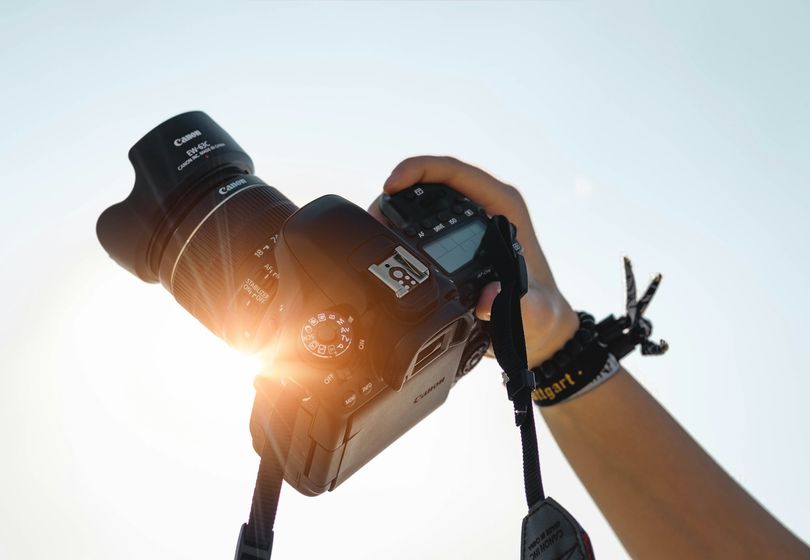
Photography is all about capturing light, and understanding how to use light correctly is essential for creating stunning photos. Whether you're a beginner or a seasoned photographer, mastering the art of lighting can take your photography to the next level. In this article, we will explore various photography lighting tips and techniques to help you harness the power of light in photography.
When it comes to photography, light is the most crucial element. Different types of lighting can dramatically impact the mood, tone, and overall quality of your photos. One of the simplest yet most effective lighting techniques is to utilize natural light. Natural light photography often produces soft, flattering results that are perfect for portraits and landscapes.
However, there are times when natural light may not be sufficient, especially when shooting indoors or in low-light conditions. This is where studio lighting techniques come into play. Studio lighting allows photographers to have complete control over the light source, intensity, and direction, resulting in highly customizable and professional-looking images.
Understanding the basics of light in photography is crucial. The two primary characteristics of light that photographers need to be aware of are intensity and color temperature. Intensity refers to how bright or dim the light is, while color temperature determines the warmth or coolness of the light. By mastering exposure control, photographers can achieve the perfect balance of light and shadow in their images.
Another essential concept to grasp is the difference between soft and hard light in photography. Soft light produces smooth and gradual transitions between highlights and shadows, creating a flattering and gentle look. On the other hand, hard light results in crisp, well-defined shadows and highlights, which can add drama and texture to your photos.
When it comes to lighting for portraits, photographers must take into account the subject's features and desired outcome. Creative lighting techniques, such as using backlighting or colored gels, can add a unique flair to portrait photography and help photographers tell compelling stories through light.
For beginners, navigating the world of photography lighting may seem overwhelming at first. However, with practice and patience, anyone can master the art of lighting. Experimenting with different light sources, angles, and modifiers is key to developing a personal style and creating visually striking images.
In conclusion, light is the foundation of photography, and learning how to use it effectively is essential for producing remarkable photos. Whether you prefer natural light photography or complex studio setups, understanding the fundamentals of light in photography will elevate your work to new heights. Keep experimenting, keep learning, and most importantly, keep shooting!